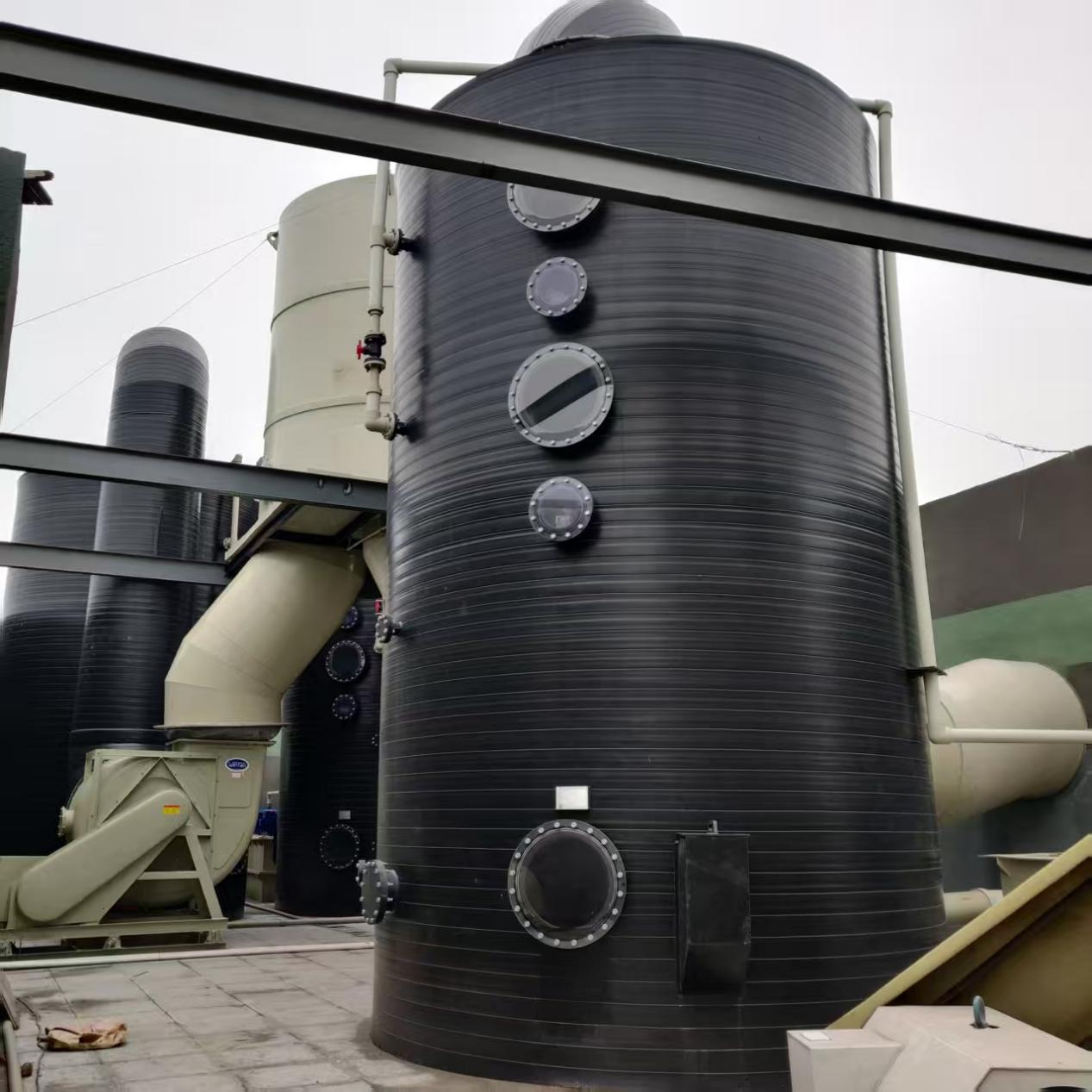
Acid mist emissions exist in the fields of hot dip galvanizing, steel strip pickling, electroplating baths, paint, and chemical engineering. The government's efforts to regulate this area are intensifying. If acid mist emissions in this field are not treated, companies may face the consequences of being shut down. To ensure the normal operation of enterprises, they invest heavily in acid mist treatment, but often encounter issues such as ineffective acid mist absorption towers or excessive workshop concentrations. Among these, acid mist emissions from electroplating baths are the most challenging to treat. Even for some manufacturers who have equipped acid mist absorption towers, they may still face ineffective treatment or excessive workshop acid mist concentrations.
Not all acid mists can be treated by acid mist absorption towers, and the collection of acid mist poses significant challenges in fields such as hot dip galvanizing, steel strip pickling, and electroplating baths. Among various fields, the collection and treatment of acid mist exhaust gas from electroplating baths can be considered the most difficult. Generally, as long as the exhaust gas from the electroplating bath can meet emission standards indoors and outdoors, other issues will not arise.
How to design an acid mist absorption tower for electroplating pool exhaust gas?
First, determine the type of exhaust gas from the electroplating tank, as not all acid mist can be treated by an acid mist absorption tower. The acid mist absorption tower can handle water-soluble acid mist such as hydrogen chloride gas (HCl), hydrogen fluoride gas (HF), ammonia gas (NH3), sulfuric acid mist (H2SO4), chromic acid (CrO3), hydrogen cyanide gas (HCN), alkali vapor (NaOH), hydrogen sulfide gas (H2S), and formalin (HCHO). If the gas type exceeds this range, the absorption rate will be greatly reduced.
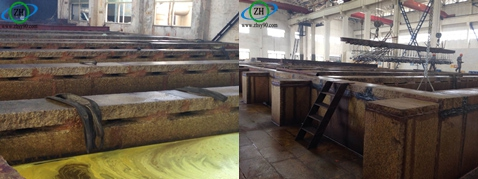
The subsequent collection will be a focal point for the acid mist absorption device. Since the electroplating pool is used for electroplating large steel materials, such as those for steel structure factories, which undergo galvanizing and anti-corrosion treatment, and often these steel materials are quite long, the electroplating pool is typically long and wide. Additionally, the electroplating pool has a certain temperature, and the acid mist evaporates naturally, making it difficult to collect. The air volume is also hard to control, which poses significant challenges for acid mist collection. Generally, environmental protection companies cannot effectively collect it, and achieving a collection rate of 50% is already considered good. This can lead to a poor working environment in the workshop. To collect such acid mist, it is necessary to incorporate the collection device during the design phase of the electroplating pool, considering factors such as the length and width of the pool, collection wind speed, collection method, and acid mist height. The specific implementation is shown in the following diagram.
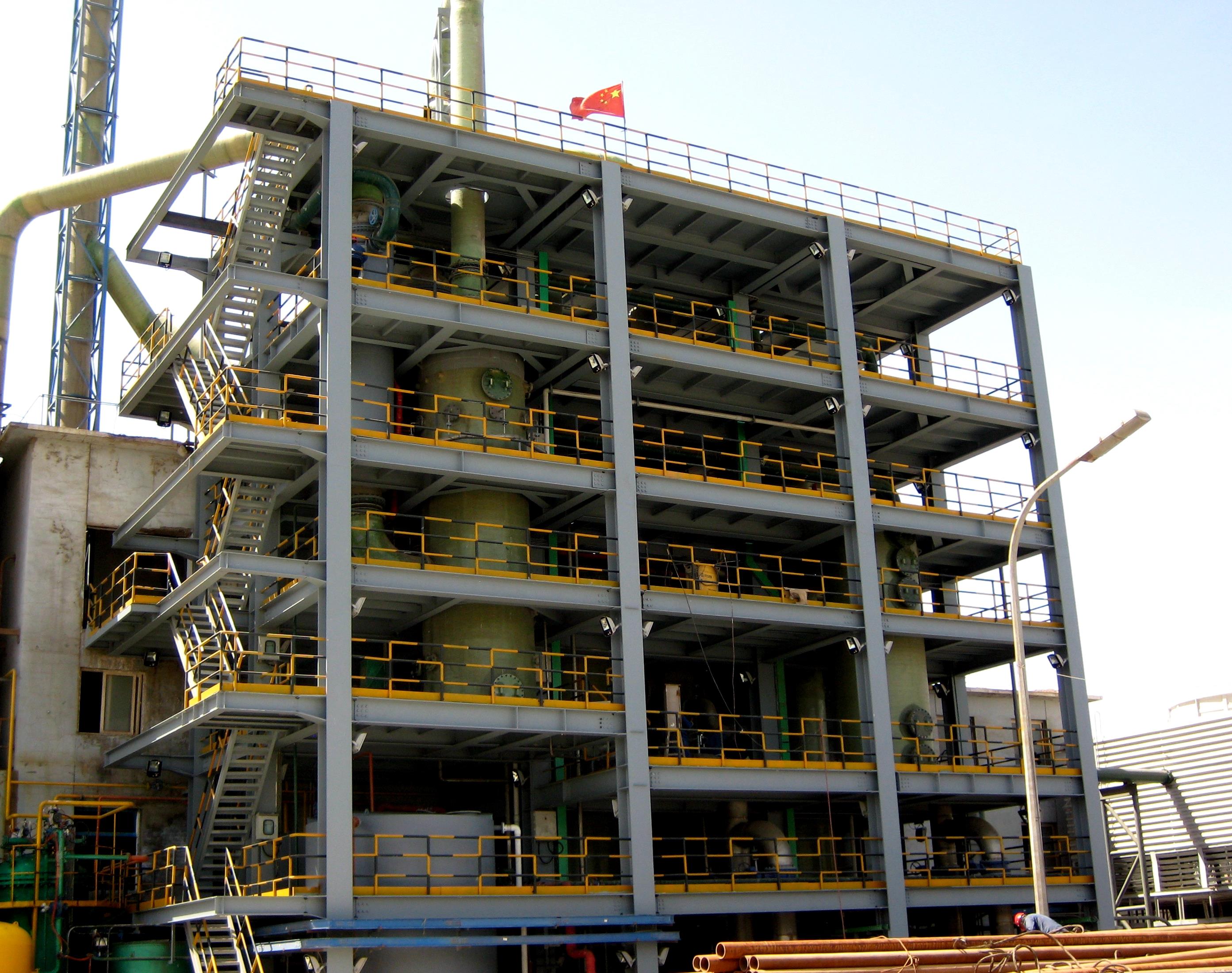
The design of the acid mist absorption tower involves selecting an appropriate absorption method based on factors such as the installation site, air volume, number of electroplating tanks, absorption efficiency, and type of acid mist, including packed towers, cyclone plate towers, and counterflow spray towers. Subsequently, based on the selected tower type, the design involves considerations such as wind speed, filtration area, liquid-to-gas ratio, wind pressure, and absorption liquid. There is no fixed value for the design of an acid mist absorption tower, as each enterprise's electroplating tank is unique. Therefore, it is best to visit the site when designing the acid mist absorption tower for electroplating tanks.
If some enterprises are still hesitating about whether to install acid mist treatment towers, let me put it this way: you can still evade it now, but with the intensifying efforts of national environmental protection and the rising awareness of environmental protection among residents, enterprises will face even more significant issues than they do now. For the sake of avoiding the shutdown of enterprises due to environmental protection issues in the future and for the sustainable development of future generations, please adopt a once-and-for-all approach.